Restoring Balance in the Classroom: Essential Stress Management Strategies for Teachers
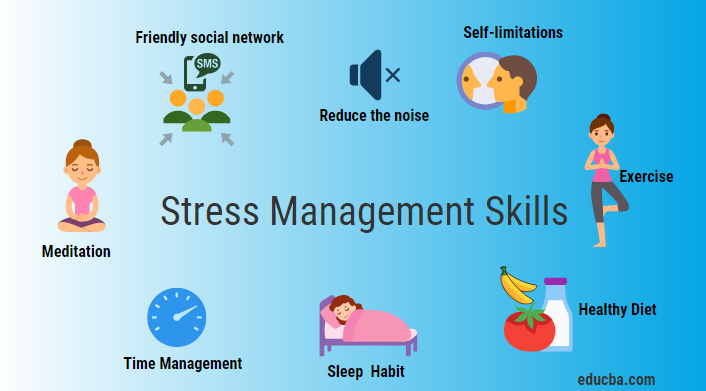
Teaching is widely recognized as one of the most rewarding professions, yet it consistently ranks among the most stressful. Educators navigate a complex daily landscape filled with dynamic classroom management challenges, rigorous curriculum standards, administrative pressures, and emotional support roles for dozens of students. When left unmanaged, chronic workplace stress leads to physical exhaustion, emotional detachment, and systemic teacher burnout. Prioritizing mental health and stress management is not a luxury or a form of self-indulgence for educators—it is an essential requirement for maintaining professional longevity, personal happiness, and optimal student learning outcomes. This comprehensive guide provides evidence-based, actionable strategies designed to help teachers regain control, cultivate resilience, and reclaim peace both inside and outside the classroom.
1. Understanding the Anatomy of Teacher Stress
To manage stress effectively, educators must first understand its underlying causes and how it manifests in their daily lives. Stress in education rarely stems from a single event; rather, it is the result of cumulative, ongoing micro-stressors. Constant instructional pivots, behavioral interventions, communication with parents, and endless grading create a sustained state of hyper-arousal in the nervous system.
Recognizing the early signs of occupational stress is crucial for preventing severe burnout. Educators should monitor themselves for physical, emotional, and cognitive symptoms, including:
- Physical Symptoms: Chronic fatigue, tension headaches, insomnia, muscle tightness, and frequent illness due to compromised immune function.
- Emotional Symptoms: Increased irritability, feelings of helplessness, emotional numbness, loss of motivation, and persistent anxiety about upcoming school days.
- Cognitive Symptoms: Difficulty focusing, memory lapses, indecisiveness, reduced creativity, and persistent cynical thoughts about the teaching profession.
By conducting regular self-assessments, teachers can identify when their stress levels are reaching critical thresholds and proactively deploy intervention strategies before reaching a breaking point.
2. Establishing Unshakable Work-Life Boundaries
One of the primary drivers of teacher burnout is the erosion of boundaries between professional obligations and personal life. The culture of education often glorifies self-sacrifice, encouraging teachers to grade papers late at night, respond to emails on weekends, and sacrifice personal hobbies for lesson planning. Reclaiming control over your time requires intentional boundary setting.
Consider implementing these clear, practical boundaries to protect your energy:
- Set Firm Departure Times: Select specific days of the week where you strictly leave school grounds 30 to 45 minutes after the final bell, leaving work materials behind.
- Implement a Digital Detox: Remove school email accounts from your personal mobile phone. Establish an explicit automated email signature stating that emails received after 5:00 PM will be answered during normal school operating hours the next business day.
- Practice Strategic Prioritization: Utilize the Eisenhower Matrix to categorize tasks into four quadrants: urgent/important, important/not urgent, urgent/not important, and neither. Focus your limited planning periods exclusively on high-priority tasks.
- Learn the Art of the Polite Refusal: Protect your remaining bandwidth by saying no to voluntary committees, extra duties, or non-essential projects when your existing workload is already demanding.
3. Deploying In-the-Moment Micro-Reset Techniques
Classroom environments are inherently unpredictable, and high-stress situations often erupt in real-time when taking a long break is impossible. Educators need rapid, somatic techniques that can reset their nervous systems within seconds without disrupting the flow of instruction.
These proven micro-strategies can be performed directly in the classroom to maintain composure during chaotic moments:
- The Physiological Sigh: Take two rapid inhales through the nose followed by one long, slow exhale through the mouth. Performing this twice immediately lowers real-time heart rate and signals safety to the brain.
- Box Breathing with the Class: When classroom energy becomes overwhelming, pause instruction and invite students to participate in a collective reset. Inhale for 4 seconds, hold for 4 seconds, exhale for 4 seconds, and hold for 4 seconds. This regularizes classroom atmosphere while calming your own body.
- Sensory Grounding (5-4-3-2-1): Briefly anchor your awareness by noticing five visible objects, four physical textures, three sounds, two scents, and one taste. This brings an anxious mind back to the present physical moment.
- Intentional Transition Pauses: Use the 60 seconds between class periods or subject changes to close your eyes, take three deep belly breaths, drink a sip of water, and consciously reset before letting in the next group of students.
4. Streamlining Administrative Workloads and Pedagogy
High workloads are a primary source of chronic teacher stress. Trying to create flawless, novel lesson plans every single day while individually grading hundreds of assignments is unsustainable. By optimizing classroom workflows and embracing smart efficiency strategies, teachers can significantly reduce their out-of-class hours.
Transform your daily operational systems with the following approaches:
- Batching Similar Tasks: Group similar tasks together rather than constantly context-switching. Block out specific days for lesson planning, administrative paperwork, and assignment grading.
- Leverage Automated and Peer Assessment: Transition away from grading every single assignment by hand. Incorporate self-grading digital quizzes, student peer-evaluations, and simple completion rubrics for formative practice.
- Collaborate and Co-Create: Avoid reinventing the wheel. Partner with department colleagues or grade-level teams to split lesson design responsibilities, pool curriculum resources, and share grading burdens.
- Delegate Classroom Logistics: Assign meaningful responsibilities to students, such as managing classroom technology, distributing materials, updating assignment boards, and cleaning work areas. This saves you valuable prep time while fostering student ownership.
5. Cultivating Supportive Peer Networks and Identity Beyond School
Teaching can feel surprisingly isolating, despite being surrounded by dozens of people all day. Isolation exacerbates stress, while strong social connections provide a safety net during tough times. Building supportive professional networks and maintaining a rich personal life outside of education are key pillars of long-term emotional resilience.
Nurture your well-being through emotional support and balanced living:
- Find a Solution-Oriented Peer Partner: Connect with a trusted colleague for constructive debriefing sessions. Ensure these interactions focus on mutual encouragement, empathetic listening, and collaborative problem-solving, rather than continuous negative venting.
- Separate Identity from Profession: Remind yourself that teaching is your job, not your total identity. Invest time in creative hobbies, physical fitness, community groups, and personal relationships that have zero connection to the educational system.
- Utilize Professional Mental Health Resources: Take full advantage of district Employee Assistance Programs (EAPs) or mental health counseling when stress begins impacting your quality of life. Seeking professional guidance is a proactive step toward health.
Key Takeaways
- Stress Management is Essential: Taking care of your mental health is a fundamental prerequisite for being an effective, sustainable educator.
- Boundaries Protect Longevity: Establish non-negotiable end times for schoolwork, disconnect digital tools outside school hours, and learn to politely say no.
- Use In-the-Moment Tools: Practice physical grounding, physiological sighs, and intentional transition pauses to regulate your nervous system during teaching hours.
- Optimize and Work Smarter: Utilize task batching, peer-collaboration, digital grading tools, and student delegation to cut administrative workloads.
- Nurture Life Outside School: Build strong colleague support networks and engage in fulfilling non-teaching activities to preserve your personal identity.
Ready to transform your teaching experience? Select just ONE strategy from this article to implement starting tomorrow, and begin building a healthier, more balanced professional life today.